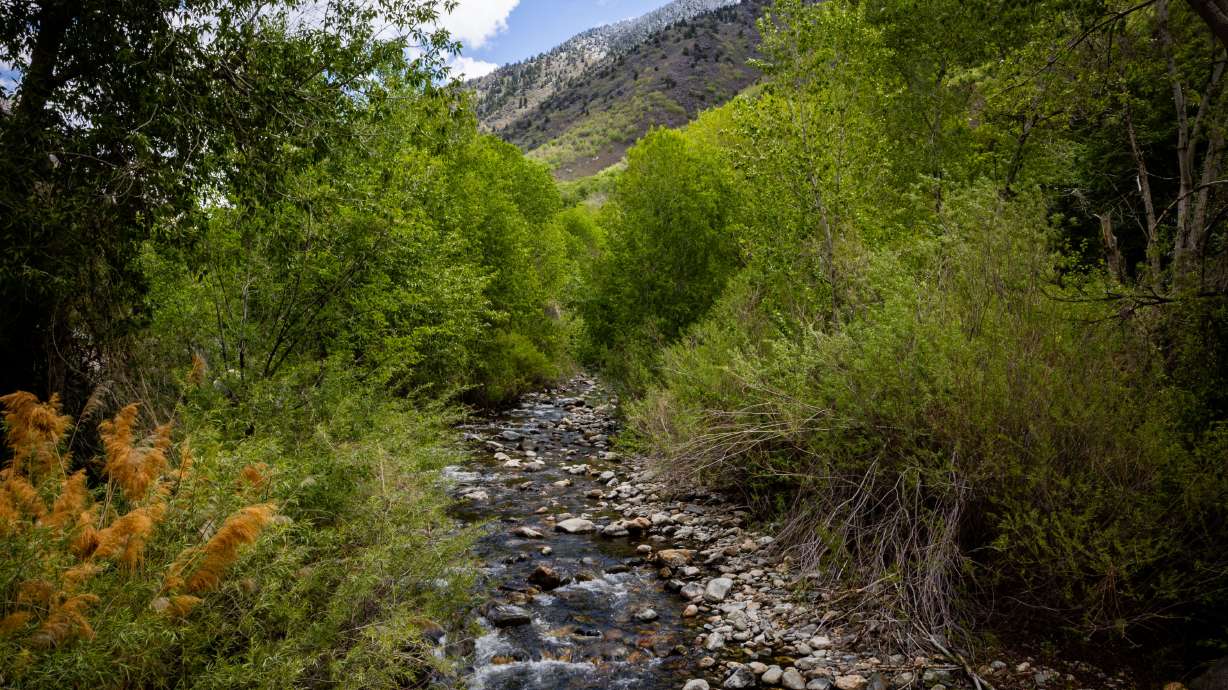

Water has always been a critical resource for communities across Utah, and here in Duchesne, that reality is becoming more apparent as we move through a challenging water year. Recent reports from state officials indicate that Utah is experiencing one of the lowest snowpack levels on record—often referred to as a “no-pack” year. Because nearly all of Utah’s water supply depends on snowpack, these conditions are expected to impact water availability throughout the state in the months ahead.
While Duchesne City has not implemented mandatory water restrictions at this time, the current drought conditions make it important for residents to begin conserving water now. Taking early action can help reduce strain on our local water systems and may prevent the need for stricter measures later in the season.
Understanding the Current Situation
Snowpack in Utah’s mountains acts as a natural reservoir, slowly releasing water into rivers, streams, and storage systems throughout the spring and summer. This year, however, much of that snow either never accumulated or melted earlier than expected due to warmer temperatures. As a result, many reservoirs across the state are lower than normal, and water managers are preparing for limited supply.
Duchesne and surrounding communities rely on these same water systems, making conservation a shared responsibility. Even though larger reservoirs may appear stable, smaller systems and local supplies are more vulnerable to fluctuations in runoff and demand.
Why Conservation Matters Now
Conserving water early in the season helps:
- Extend available water supplies through the summer months
- Reduce pressure on city infrastructure and water delivery systems
- Support agricultural needs and local ecosystems
- Lower the risk of emergency restrictions later
By making small changes now, residents can play a meaningful role in protecting Duchesne’s water resources.
Practical Steps Residents Can Take
There are several simple and effective ways to reduce water use without sacrificing comfort or landscape health:
Outdoor Water Use
- Water lawns and landscaping during early morning or late evening hours to reduce evaporation
- Avoid watering on windy days or during the heat of the afternoon
- Adjust sprinkler systems to prevent water from running onto sidewalks and streets
- Consider using drip irrigation or targeted watering methods for plants and gardens
Indoor Water Use
- Fix leaks promptly, including dripping faucets and running toilets
- Run dishwashers and washing machines only with full loads
- Turn off water while brushing teeth or shaving
- Install water-efficient fixtures where possible
Looking Ahead
Drought conditions can change quickly, and Duchesne City will continue to monitor the situation closely. If conditions worsen, additional guidance or restrictions may be implemented to ensure fair and sustainable water use for all residents.
In the meantime, voluntary conservation is one of the most effective tools we have. When individuals, families, and businesses work together, the collective impact can make a significant difference.
A Shared Responsibility
Water conservation is not just about responding to drought—it’s about planning for the future of our community. Duchesne has always been built on cooperation and resilience, and this is another opportunity to come together and act responsibly.
By being mindful of our water use today, we help protect our city for tomorrow.